

Best Books for Spiritual Life Transformation in 2026
Table of Contents
- How Books Become Catalysts for Spiritual Life Transformation
- Best Personal Development Book Summaries for Beginners 2026
- Sacred Scars: A Memoir of Healing, Resilience and Awakening
- How to Start a Spiritual Growth Reading Habit That Sticks
- Daily Practices for Spiritual Transformation
- Choosing the Right Book for Your Stage of Spiritual Life Transformation
- Frequently Asked Questions
Last Updated: September 13, 2026
How Books Become Catalysts for Spiritual Life Transformation
The right book arrives at the right moment and rearranges something inside you. That is the quiet power of reading for spiritual life transformation: a single paragraph can name a feeling you have carried for years, and naming it is the first step toward releasing it. This guide from Destined 4 Greatness maps the best books for spiritual life transformation in 2026, organised by where you actually are in your growth rather than by bestseller rank.
Reading works as a catalyst because it slows thought down. A screen demands reaction; a page invites reflection. When you sit with an idea long enough, it moves from information into awareness, and awareness is where real change begins.
Best Personal Development Book Summaries for Beginners 2026
Beginners need clarity, not complexity. The strongest starting books explain inner work in plain language and give you something to practise the same day. Three titles from the Destined 4 Greatness collection do this well, each pitched at a slightly different temperament.
| Book | Format | Best For | Core Focus |
|---|---|---|---|
| How To Tap Into Your Divinity | Paperback / eBook | Beginners seeking self-discovery | Ego versus deeper self |
| Perspectives of the Analytical Mind | Paperback / eBook | Questioners and deep thinkers | Thought, perception, reality |
| Sacred Scars | Paperback / eBook | Readers facing adversity | Healing and resilience |
How To Tap Into Your Divinity: A Practical Starting Point
How To Tap Into Your Divinity opens with a question that reframes the entire search: what if divinity is not something outside of you, but something waiting to be remembered? Author Lene Fepuleai writes for people who have looked for answers in religions, philosophies and external authorities, and found the trail looping back inward.

The book is not tied to any single doctrine. It works through self-awareness, the difference between the ego and the deeper self, emotional resilience, and learning to trust intuition. Each chapter ends with something to reflect on, which makes it unusually easy to read slowly and actually absorb.
Perspectives of the Analytical Mind: For the Questioners
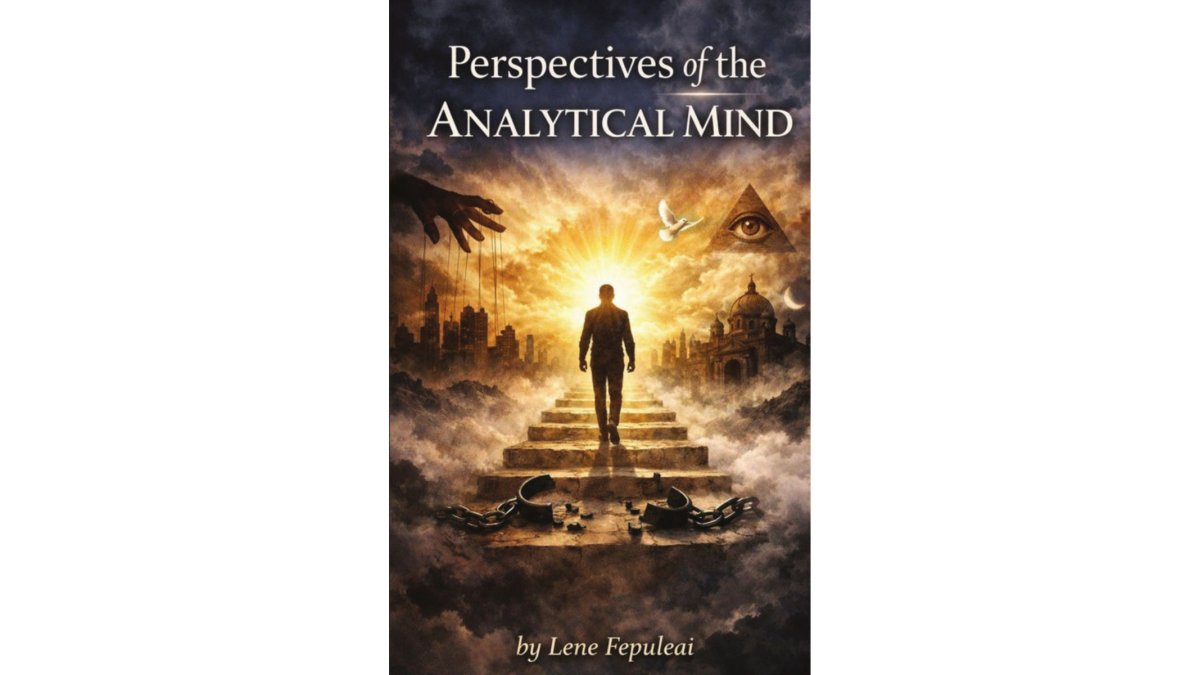
Some readers resist anything that sounds like a sermon, and that is exactly who Perspectives of the Analytical Mind was written for. It is a structured series of short entries that examine the patterns behind thinking itself, challenging conditioned beliefs and asking the reader to test what they accept as true.

This is the analytical entry point into spiritual growth. Rather than offering fixed answers, it hands over the tools to see clearly, one thought at a time. If a book that tells you what to believe puts you off, start here instead.
Sacred Scars: A Memoir of Healing, Resilience and Awakening
Memoir reaches people that theory cannot. Sacred Scars traces Lene Fepuleai's journey from survival to awareness, from fragmentation to understanding, and through a long season of darkness toward a deeper consciousness. It moves between the seen and the unseen: prophetic visions, soul travels, goodbyes spoken to the dying, and encounters with ancestral forces.
Alongside those experiences runs harder material. Spiritual attacks, addiction, homelessness, and the slow recognition of patterns working both for and against him. Woven through it all is the work of breaking cycles carried across generations, and the discovery that even in the deepest abandonment, he was never moving through it alone.
The scars are sacred because they mark what was passed through. For anyone carrying something they have never quite been able to explain, that framing alone is worth the read.
How to Start a Spiritual Growth Reading Habit That Sticks
Most reading habits collapse within three weeks, and the reason is rarely discipline (healthdirect.gov.au). It is that the reader has chosen a book that does not match their spiritual temperament. A questioner forcing themselves through a devotional memoir will stall by chapter two; a reader in grief trying to absorb abstract philosophy will do the same. The habit sticks when the book fits the person.
Match the Book to Your Temperament First
Before you build the routine, identify which of these three temperaments describes you right now.
- The Seeker, open, curious, ready to begin. You want plain language and daily reflection. Start with How To Tap Into Your Divinity.
- The Questioner, sceptical, analytical, allergic to sermons. You want to test ideas rather than accept them. Start with Perspectives of the Analytical Mind.
- The Healer, carrying something specific: grief, addiction, family patterns, a hard season. You want to see transformation lived out in a real life. Start with Sacred Scars.
This is the step most reading guides skip. They hand you a list; they do not help you find the one book that will actually hold your attention past week three.
Anchor the Habit to Something You Already Do
Once the book fits, the routine is simple. Attach ten pages to something you already do daily, your first coffee, the train commute, the ten minutes before sleep, and the habit borrows the strength of an existing routine rather than demanding new willpower.
Four rules make the difference:
- Keep the book visible, on your chair or pillow, not on a shelf
- Read at the same time each day, even if only for ten minutes
- Keep a journal nearby for one-line reactions
- Finish one book before starting the next
Many readers find a physical copy holds attention better than a screen, though an eBook works well for commutes and travel. The format matters less than the consistency.
How to Apply Each Book's Teachings
Reading without application is entertainment. Here is how to turn each title into practice.
How To Tap Into Your Divinity, each chapter closes with a reflection prompt. Write your answer before moving on. The prompts are where the ego-versus-deeper-self distinction stops being a concept and becomes something you notice in your own reactions during the day.
Perspectives of the Analytical Mind, the entries are short by design. Read one, then spend the rest of the day testing it against a belief you hold. Ask: is this mine, or was it handed to me? The book works best as a daily thought experiment rather than a cover-to-cover read.
Sacred Scars, read this one slowly and keep a notebook for the moments that mirror your own story. The value is in recognising your own patterns in someone else's survival, which is often the first step toward breaking a cycle carried across generations.
Daily Practices for Spiritual Transformation
Daily practices turn reading into change, but the practice that works depends on your temperament. A single routine prescribed to everyone is why most spiritual reading produces insight without transformation. The gap between knowing and becoming closes through repetition matched to how you actually process the world.
Three Practices, Three Temperaments
For The Seeker, the morning reflection sequence. Five minutes of quiet breathing before you open How To Tap Into Your Divinity, ten pages of reading, then two sentences in a journal about what stood out. In the evening, revisit one idea from the morning and ask where it showed up in your day. That single question is where spiritual life transformation quietly does its work.
For The Questioner, the daily thought test. Read one entry from Perspectives of the Analytical Mind each morning. Carry it with you and watch for it appearing in your reactions, your conversations, your assumptions. The practice is not to agree with the entry but to notice where your thinking runs on autopilot. Questioners often find this more transformative than any devotional practice, because it works with their nature rather than against it.
For The Healer, the pattern journal. Read a section of Sacred Scars in the evening, then write one line about a pattern you recognise in your own life. Not analysis, just recognition. Over weeks, the lines accumulate into a map of what you are actually working through, which is often different from what you thought you were working through.
The Weekly Rhythm
Daily practice builds momentum; weekly review gives it direction. Once a week, set aside twenty minutes to read back through your journal. Look for repeated words, repeated feelings, repeated questions. Those repetitions are the real curriculum of your growth, and they are almost never the thing you set out to work on.
When the Practice Stalls
Every practice stalls eventually. The usual cause is that the book has done its work and you are still reading it out of habit. When a practice feels hollow for more than a week, that is not failure, it is a signal to move to the next book in your sequence (beyondblue.org.au). The Seeker who has finished How To Tap Into Your Divinity is often ready for Perspectives of the Analytical Mind. The Questioner who has worked through the analytical entries is often ready for the lived experience in Sacred Scars. Growth is a sequence, not a single text.
Choosing the Right Book for Your Stage of Spiritual Life Transformation
Match the book to your temperament, not the bestseller list. The questioner who wants evidence will bounce off a devotional memoir, and the reader in grief will find abstract philosophy hollow. Choose by where you are, not by what ranks highest.
- If you are curious but sceptical, start with Perspectives of the Analytical Mind
- If you are beginning and open, start with How To Tap Into Your Divinity
- If you are healing from something specific, start with Sacred Scars
- If you want a deeper commitment, read all three in that order
A useful test: read the first three pages. If nothing makes you pause, the book is not for this season of your life. Put it down without guilt and try another.
Reading alone can inform you, but transformation asks for something more: a decision to keep showing up. Destined 4 Greatness exists for exactly that work, pairing soul-shifting written works with resilient streetwear that carries the message into your everyday life. The collection includes How To Tap Into Your Divinity for self-discovery, Perspectives of the Analytical Mind for the questioners, and Sacred Scars for anyone healing from hard seasons. Each title supports your healing journey, awakens your spirit, and strengthens your mindset. Start with one book, one daily practice, and let the change build. Shop Now at Destined 4 Greatness and begin where you are.
Frequently Asked Questions
What makes a book truly transformative for the spirit?
A transformative book does more than inform. It shifts how you see yourself and your life. Look for writing that challenges conditioned thinking, invites honest self-reflection, and gives you something to practise, not just admire. Books that blend lived experience with practical guidance, such as How To Tap Into Your Divinity, tend to stay with readers because they speak to real struggles and offer steps forward. The best sign is simple: you finish a chapter and something in your daily behaviour starts to change.
Can reading spiritual literature actually change your life?
Reading alone will not change your life, but it changes what you believe is possible, and that changes your choices. Spiritual literature introduces new perspectives, helps you question limiting beliefs, and keeps your inner work in focus between therapy sessions, gym visits and daily responsibilities. Pair reading with small consistent actions, such as journaling or a few minutes of stillness, and the effects compound. Many readers find that one honest book at the right moment does more than years of collecting information.
How do I build a spiritual growth reading habit when I am busy?
Start smaller than feels impressive. Ten pages each morning with your coffee, or one section before bed, builds momentum faster than ambitious weekend sessions. Keep the book visible, choose a fixed time, and pair reading with a short reflection so the ideas settle. If time is tight, eBooks on your phone let you read in waiting rooms and commutes. The goal is consistency, not volume, and a habit of ten quiet minutes daily will carry you further than an occasional binge.
What are the best books for overcoming adversity and finding purpose?
Memoirs often serve this need best because they show transformation rather than describe it. Sacred Scars traces a journey through addiction, homelessness and spiritual attack toward awareness and purpose, which makes it a strong companion when life feels fragmented. Alongside memoir, practical guides like How To Tap Into Your Divinity help you rebuild patterns and reconnect with purpose once survival mode ends. Read the memoir for hope and the guide for structure, and give yourself permission to move slowly through both.
Are there books that help with healing and inner growth?
Yes, and they usually work best when paired with daily practices. Healing-focused books help you name old patterns, understand where they came from, and imagine a different way of living. Perspectives of the Analytical Mind, for example, examines the thinking patterns behind conditioned beliefs, which suits readers who want clarity before they act. Combine that reading with journalling, stillness or prayer, and the insights move from the page into your life. If you are working through significant trauma, keep professional support alongside your reading.